TP-Link Deco X10 Review: Worth It? (November 2026)
The TP-Link Deco X10 suits smaller homes that want simple Wi-Fi 6 mesh coverage, with AX1500 speed, coverage up to 190 m² and support for up to 120 devices. Its 1-pack design is best when one unit meets your coverage needs.
On this page (10 sections)
- TP-Link Deco X10 review: what does it offer?
- How fast is the TP-Link Deco X10?
- Is 190 m² enough coverage?
- Can the Deco X10 support many devices?
- What does the gigabit port add?
- How do you set up the TP-Link Deco X10?
- Is the Deco X10 better than an extender?
- What are the main trade-offs?
- How does it compare with other Deco models?
- TP-Link Deco X10 review verdict
The TP-Link Deco X10 is a strong entry-level Wi-Fi 6 mesh choice for smaller networks. It combines AX1500 Mbps, coverage up to 190 m², connectivity for up to 120 devices and a gigabit Ethernet port in a 1-pack system managed through a mobile app.
That mix suits a home where everyday Wi-Fi matters more than top speed. Phones, laptops, a television and a few smart devices can share one network without a complicated setup.
The main question is fit. One Deco X10 can make sense when your home needs a simpler unified network and your current router leaves a limited coverage gap.
A single network name makes moving between rooms easier. You do not need to choose between separate names as you carry a phone or laptop through the house.
The AX1500 class should be judged against your actual use. Streaming, browsing, calls and routine downloads are different demands from large file transfers or a home full of high bandwidth devices at once.
Coverage up to 190 m² is a useful guide for a smaller home or apartment. It is not a promise for every layout, because walls, floors and furniture can change how far the signal reaches.
The gigabit Ethernet port adds a practical option for a nearby wired device. A desktop computer, television or switch can use a cable when a stable connection matters more than wireless convenience.
The mobile app control also shapes day to day ownership. Setup, network changes and routine checks sit in one place, so the unit should stay reachable and not hidden away.
Larger homes or demanding networks may need a faster mesh tier or more coverage points. If one unit cannot reach a distant room well, adding speed will not fix a placement problem.
Check your rooms, device count and internet plan before you buy. That simple check will show whether this 1-pack design matches the home you actually have.
TP-Link Deco X10 review: what does it offer?
The TP-Link Deco X10 offers simple Wi-Fi 6 mesh networking for smaller homes, with app control and a single unified network. Its main strengths are straightforward setup, broad device support and a stated coverage area of up to 190 m².
TP-Link Deco X10: Best for simple small-home mesh

- AX1500 Mbps
- Coverage up to 190 m²
- Connectivity up to 120 devices
- Gigabit Ethernet port
- Mobile app installation
A compact entry-level Wi-Fi 6 mesh system for smaller networks. The Deco X10 combines a single unified network, mobile app control and a gigabit Ethernet port.
Pros
- Wi-Fi 6 technology
- Coverage up to 190 m²
- Supports up to 120 devices
- Gigabit Ethernet port
- Easy installation with a mobile app
Cons
- This is a 1-pack
- AX1500 is below faster mesh tiers
- Coverage depends on the home and placement
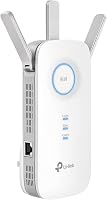
The unit is white and weighs 400 g. The box includes the Deco X10, a power adapter and a user manual.
The Deco X10 uses internal antennas and supports Wi-Fi connectivity. TP-Link identifies the model as Deco X10, with the model number Deco X10(1-pack) and the manufacturer part number AX1500.
Who should consider this TP-Link Deco X10?
Choose the Deco X10 if you want a single app-managed Wi-Fi 6 unit for a smaller home network. It fits households with phones, laptops, televisions, smart home devices and other compatible equipment that need one network name rather than separate network areas.
The 1-pack format also keeps the decision simple. You don't need to plan a multi-unit layout unless your home has dead zones that one point cannot cover.
Skip it if your main goal is the highest available wireless speed or if your home needs several coverage points. In those cases, compare the product's class, coverage needs and wiring options before choosing.
How fast is the TP-Link Deco X10?
The TP-Link Deco X10 has an AX1500 Mbps data transfer rate, which places it in an entry-level Wi-Fi 6 class. Its maximum upstream data transfer rate is 1201 megabits per second.
Those figures describe the system's wireless class, not the speed every device will receive in every room. Distance, walls, interference, connected equipment and internet service all affect day-to-day results.
Wi-Fi 6 can be useful when several devices share a network, but the benefit depends on the devices connected to it. Older equipment can still connect when compatible, while newer Wi-Fi 6 devices can make better use of the network's capabilities.
The Deco X10 operates as a dual-band system with a 2.4 GHz frequency. A dual-band network can help balance longer-range connections and everyday wireless use, but placement remains important.
For a broader explanation of how mesh systems work, read our mesh Wi-Fi buying guide.
Is 190 m² enough coverage?
The Deco X10 is rated for coverage up to 190 m², so it may fit a smaller home or apartment with a reasonably open layout. That number is a planning reference, not a guarantee that every room will receive the same signal.
Walls, floors, furniture and the position of the unit can reduce coverage. A home with thick walls or several separated rooms may need a different layout from an open single-floor space.
Place the Deco X10 in a central, open position where possible. Avoid hiding it inside a cabinet or placing it behind large objects, because the surrounding space affects how well wireless signals reach nearby rooms.
Walk through the home before setup and note where the connection becomes weak. If the weak area is far from the planned unit, compare a multi-unit mesh system with an extender.
Our guide to Wi-Fi range extender vs repeater explains how those options differ.
Can the Deco X10 support many devices?
The TP-Link Deco X10 supports up to 120 devices, according to its stated capacity. That gives it room for a busy small network with phones, computers, streaming equipment and compatible smart devices.
Device count alone doesn't show how much traffic the network can handle. A device sending large files or streaming high-bandwidth video creates a different load from a device that connects occasionally.
Make a simple list of the equipment in your home before buying. Count phones, tablets, computers, televisions, cameras, speakers, plugs and other connected devices, then think about which ones are active at the same time.
A single unified network can make daily use easier because devices connect through one network rather than forcing you to switch between separate names. That can be helpful when you move around the home with a phone or laptop.
If you are comparing newer Wi-Fi options, see our TP-Link Deco BE11000 review for a higher-tier alternative. For another Wi-Fi 6 option, our TP-Link Deco X50 review covers a different point in the Deco range.
What does the gigabit port add?
The Deco X10 includes a gigabit Ethernet port with 1000 Mbps LAN port bandwidth. A wired connection can help when a nearby device needs a stable link or when you want to connect network equipment without relying on wireless signals.
Use the port for a compatible desktop computer, television, streaming device or network switch. The actual connection speed still depends on the connected device, cable, network setup and internet service.
A wired connection can also help reduce wireless traffic for one nearby device. That may be useful in a small network where several other devices share the Wi-Fi connection.
Plan cable routes before placing the unit. Keep cables tidy and avoid running them where people can trip or where furniture can press against the connectors.
How do you set up the TP-Link Deco X10?
The Deco X10 is designed for easy installation with a mobile app. Start by choosing a suitable location, connecting the power adapter and following the app's setup steps.
Keep the user manual available during installation. It is included with the Deco X10 and can help you confirm the model and follow the setup sequence.
Use a clear network name and a strong password that you don't reuse elsewhere. After setup, connect one device at a time and check that important equipment reaches the network from its usual location.
Walk around the home after installation. Test the rooms where you stream, work, make calls or use smart devices, then move the unit if the layout leaves an avoidable weak area.
The app is also the control method for the Deco X10. That makes mobile access part of the ownership experience, so choose a location where you can still reach the unit and power adapter if you need to inspect them.
Is the Deco X10 better than an extender?
The TP-Link Deco X10 is the better fit when you want one unified mesh network managed through an app. An extender can be useful when you only need to improve one weak area and want to keep your existing router.
A mesh system and an extender solve similar coverage problems in different ways. Consider whether you want a new network system, how many weak areas you have and whether you need a single network name throughout the home.
Our TP-Link Deco vs TP-Link extender guide compares those approaches. If you already know you want Deco, the TP-Link Deco BE25 review gives you another model to compare.
The Deco X10's 1-pack format is most useful when one central unit can cover the space. If you need several points, confirm which model and package size match your home's layout before ordering.
What are the main trade-offs?
The biggest advantage is a simple Wi-Fi 6 setup with broad stated coverage and device capacity. AX1500 Mbps, coverage up to 190 m² and support for up to 120 devices give smaller networks a clear starting point.
The main limitation is that the Deco X10 is an entry-level AX1500 system. People with larger homes, faster internet service or heavier simultaneous traffic may prefer a higher-tier Deco model.
The gigabit port is useful for nearby wired equipment, but it doesn't turn the system into a multi-gigabit network. If your priority is the highest wired or wireless speed, compare the port and wireless class of each alternative.
The 1-pack design is another practical trade-off. It reduces setup complexity, but it may not solve coverage problems across a large or heavily divided home.
How does it compare with other Deco models?
The Deco X10 is the sensible choice when coverage, simple setup and entry-level Wi-Fi 6 are more important than maximum speed. Compare it with faster or newer models when your internet plan, device load or home size calls for more capacity.
A higher-tier option may make more sense if many devices transfer data at the same time. A newer model may also suit you if you want to compare newer wireless standards or a different mix of ports.
Our TP-Link Deco BE3600 review is another comparison point for shoppers considering a different Deco system. Keep your decision tied to the home, devices and internet service you actually have.
Don't choose by the model name alone. Compare the stated speed class, coverage, device capacity, port bandwidth, package size and setup method.
TP-Link Deco X10 review verdict
The TP-Link Deco X10 is a good fit for smaller networks that need simple Wi-Fi 6 coverage, app control and one unified network. Its AX1500 Mbps class, up to 190 m² coverage, up to 120-device capacity and gigabit port cover the needs of many everyday homes.
Pick the Deco X10 when one unit can cover your space and your network does not need premium wireless speeds. It is a sensible match for a smaller home with phones, laptops, streaming equipment and compatible smart devices.
The one pack format keeps the choice clear. You start with one point, place it centrally where possible, and test the rooms where you work, stream and make calls.
Choose another Deco model when you need more coverage points, higher capacity or a faster wireless class. A larger or heavily divided home may need that extra reach more than it needs a simpler setup.
For the final comparison, check our TP-Link Deco X50 review and compare the stated specifications with your home's layout, device count and internet plan.
Look at speed class, coverage, device capacity and port bandwidth together. That joined view will help you decide if the Deco X10 is enough or if a higher tier is the better long term fit.
Frequently asked questions
Is the TP-Link Deco X10 good for a small home?
The TP-Link Deco X10 is suited to smaller homes that need a simple Wi-Fi 6 mesh network. Its coverage is up to 190 m², and it supports up to 120 devices.
Check your home's layout, wall materials and current dead zones before deciding if one unit can cover the full space.
How fast is the TP-Link Deco X10?
The TP-Link Deco X10 has an AX1500 Mbps data transfer rate, with a maximum upstream data transfer rate of 1201 Mbps. Actual performance varies with distance, walls, connected devices and internet service.
AX1500 is an entry-level Wi-Fi 6 class, not the fastest mesh tier.
Does the Deco X10 have a gigabit port?
Yes. The TP-Link Deco X10 has a 1000 Mbps LAN port bandwidth and a gigabit Ethernet port.
That makes wired connections useful for devices such as a desktop computer, smart television or network switch, subject to the limits of the connected device and internet service.
How many devices can the Deco X10 support?
The TP-Link Deco X10 is rated for connectivity with up to 120 devices. That figure describes the stated device capacity, not a promise that every device will receive the same speed.
Heavy traffic, distance and simultaneous use still affect the experience.