TP-Link Deco X60 Review: Worth It? (November 2026)
The TP-Link Deco X60 is a strong fit for larger homes that need a 3-pack Wi-Fi 6 mesh system with up to 7,000 sq ft of stated coverage and Gigabit Ethernet. Its main trade-off is that this dual-band system has less wireless capacity flexibility than newer tri-band options.
On this page (11 sections)
- Is the TP-Link Deco X60 worth considering?
- TP-Link Deco X60 review: what do you get?
- How much coverage does the Deco X60 provide?
- Does the Deco X60 have enough network capacity?
- What does dual-band mean in daily use?
- Are the Ethernet ports useful?
- How should you set up the Deco X60?
- How does the Deco X60 compare with newer Deco systems?
- What should you connect by Ethernet?
- What are the main trade-offs?
- TP-Link Deco X60 review: final verdict
The TP-Link Deco X60 is a capable Wi-Fi 6 mesh system for broad home coverage, with a 3-pack, stated coverage up to 7,000 sq ft and Gigabit Ethernet. It makes the most sense when you want one coordinated network across several rooms instead of relying on a single router.
This TP link deco x60 review focuses on coverage, network capacity, wired connections and setup choices. We compared the stated specifications with the needs of homes that stream, work, browse and connect smart devices across more than one floor.
A mesh set like this suits a home where dead spots matter more than squeezing the fastest possible speed from one room. It also suits a household that wants fixed devices to use Ethernet while mobile devices stay on Wi-Fi across the home.
The trade-off is simple to plan around, because placement and layout will shape your results more than the headline numbers alone.
Is the TP-Link Deco X60 worth considering?
The TP-Link Deco X60 is worth considering if you need a 3-pack dual-band mesh system with Wi-Fi 6 and broad stated coverage. Its 3,000 Mbps data transfer rate, MIMO technology and Gigabit Ethernet give it a useful balance for many home networks.
The system is less compelling if your main goal is the newest Wi-Fi generation or more wireless band separation. In that case, compare it with newer options such as the best TP-Link Deco Wi-Fi 7 mesh systems.
The product data uses both Deco X60 and Deco X55 model names in different fields. If the exact model label matters to your order or replacement plans, check the model information carefully before buying.
TP-Link Deco X60 review: what do you get?
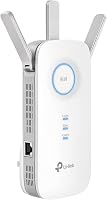
The TP-Link Deco X60 is a white, desktop Wi-Fi system with 3 units, app control and Ethernet connectivity. Each unit is listed with 2 network RJ-45 connections, Gigabit Ethernet and a 1,000 Mbps LAN port bandwidth.
TP-Link Deco X60 WiFi 6 AX3000 Whole-Home: Best for large dual-band mesh coverage

- Wi-Fi 6 AX3000
- 3-pack
- Up to 7,000 sq ft stated coverage
- Gigabit Ethernet
- App control
A 3-pack mesh system for households that need broad stated coverage, Wi-Fi 6 capacity and wired Gigabit Ethernet connections. App control keeps setup and network management accessible.
Pros
- 3-pack supports broad stated coverage
- Wi-Fi 6 AX3000 data rate
- Gigabit Ethernet ports
- App control
Cons
- Dual-band design has less wireless band separation than tri-band systems
- Placement still affects real-world coverage
- The title and data use both Deco X60 and Deco X55 model names
The 3-pack is the main reason to choose this system over a single access point. You can place the units in separate areas so devices have a shorter path to a nearby mesh point, but the best locations depend on your floor plan and available power outlets.
The system supports Ethernet and Wi-Fi connectivity and is listed as compatible with personal computers. TP-Link identifies the product as a dual-band system using 5 GHz and 2.40 GHz frequencies.
Who is the TP link deco x60 review for?
This TP link deco x60 review is most useful for someone planning a larger home network with several coverage zones. It can suit a home office, family living space or multi-room layout where one router leaves weak areas.
It may be more than you need for a small apartment or a compact home with a strong existing router. A 3-pack also requires more placement decisions, so a smaller system can be simpler when you only need one or two access points.
How much coverage does the Deco X60 provide?
The Deco X60 has stated coverage up to 7,000 sq ft, or 418 m², with the 3-pack. That figure helps you estimate whether the system fits your home, but walls, floors, building materials and interference can reduce the usable range.
Place the main unit near your modem or wired network connection. Put the other units between the main coverage area and the weaker rooms, rather than at the farthest point where the signal is already poor.
Avoid hiding a node inside a cabinet or placing it behind large objects. A central, open desktop position generally gives the wireless signal a clearer path through the room.
Coverage is not the same as speed in every location. A device at the edge of the network may remain connected while receiving less capacity than a device close to a mesh unit.
For a broader explanation of node placement and system types, see our mesh Wi-Fi buying guide.
Does the Deco X60 have enough network capacity?
The Deco X60 offers Wi-Fi 6 AX3000 capacity with a listed data transfer rate of 3,000 Mbps. That gives the system room for common home activities, but the number is a combined wireless rating rather than a guaranteed speed for one device.
A household with several active devices should think about total demand. Video calls, streaming, downloads, cloud backups and connected devices can compete for wireless capacity at the same time.
Dual-band systems use the same general wireless band structure for client devices and mesh communication. That can be suitable for ordinary use, while a tri-band system may offer more flexibility when many devices transfer data heavily.
Compare the Deco X60 with the TP-Link Deco XE75 review if you are deciding whether a different Deco design better matches a busy network.
What does dual-band mean in daily use?
Dual-band means the system uses 5 GHz and 2.40 GHz wireless bands. The 5 GHz band can be useful for nearby higher-throughput connections, while 2.40 GHz can help devices that need a longer reach through the home.
Your device and the network decide which band to use. You don't need to manually move every phone or computer, but placement still matters because distance and obstacles affect the connection.
The 2.40 GHz band can also be more crowded in some homes and apartment buildings. Keep the mesh units away from obvious sources of interference where practical, and leave space around each unit.
If you want to compare this system with another Wi-Fi 6 Deco model, read our TP-Link Deco X50 review next.
Are the Ethernet ports useful?
The Deco X60's 2 RJ-45 network connections per unit and Gigabit Ethernet are useful for wired devices and compatible home network layouts. A desktop computer, television, game console or other nearby device can use a wired connection instead of relying on Wi-Fi.
Wired backhaul can also help when Ethernet cabling already runs between rooms. It gives you another way to connect mesh units, although the correct setup depends on your modem, router mode and home wiring.
Plan cable routes before placing the nodes. A short cable behind a desk is simple, while a cable crossing a doorway creates a trip risk and may need a safer route.
For a camera network, wired links can be especially useful around recording equipment and access points. Our guide to the best TP-Link PoE switches with four powered ports covers a separate wired networking need for compatible powered devices.
How should you set up the Deco X60?
Set up the Deco X60 with the app-based control method, beginning with the unit connected to your modem or existing network equipment. Follow the app and product instructions for the operating mode that matches your home network.
Before placing the other units, map the rooms where you need coverage. Start with a central location, then move the remaining units toward weak areas while keeping them within a usable connection range of the main unit.
Give each unit a stable desktop location with airflow around it. Avoid placing one directly inside a closed cabinet, behind dense furniture or at floor level when a higher open position is available.
After setup, walk through the home with the devices you use most. Check the office, bedrooms, living areas and any room with a security camera or other network-dependent equipment.
How does the Deco X60 compare with newer Deco systems?
The Deco X60 stands out for its 3-pack coverage, Wi-Fi 6 AX3000 rating and Gigabit Ethernet. Newer Deco systems may be a better fit when you want Wi-Fi 7, a different band layout or newer hardware features.
The TP-Link Deco BE11000 review can help if you're comparing the X60 with a newer, higher-generation Deco option. Compare the systems by your home size, device count, wired connections and upgrade plans.
The TP-Link Deco BE25 is another model worth reviewing when you want to compare a different Deco system. See the TP-Link Deco BE25 review before making a final choice.
Don't choose only by the largest speed number. A system that fits your floor plan and supports sensible node placement can work better than a faster model placed in a poor location.
What should you connect by Ethernet?
Connect devices by Ethernet when they stay near a Deco unit and need a steady connection. Desktop computers, network equipment and fixed entertainment devices are common candidates, provided their location and cable route make sense.
Use Wi-Fi for devices that move around the home. Phones, tablets and laptops benefit from the mesh layout because they can connect through the nearest suitable node as you move between rooms.
For a security camera system, first check whether the camera uses Wi-Fi or Ethernet. If it uses Ethernet and needs power through the same cable, compare compatible equipment such as the best Gigabit PoE injectors.
Keep wired and wireless roles simple. Fixed devices can use Ethernet, while mobile devices can stay on Wi-Fi without creating unnecessary cable clutter.
What are the main trade-offs?
The Deco X60's main strengths are broad stated coverage, a 3-pack, Wi-Fi 6 and Gigabit Ethernet. Those features suit a home that needs several access points and wants a coordinated network controlled through an app.
Its main trade-off is the dual-band design. A newer tri-band system may give a busy network more wireless flexibility, while a newer Wi-Fi generation may make more sense if you are planning an upgrade around newer client devices.
The 3-pack can also be unnecessary in a smaller home. More units don't automatically improve a network if they are too close together, poorly placed or connected through a weak path.
Finally, check the exact model details before ordering because the data includes both Deco X60 and Deco X55 model references. Confirm the name, pack size and connection needs for your installation.
TP-Link Deco X60 review: final verdict
The TP-Link Deco X60 is the better choice when you need a 3-pack Wi-Fi 6 mesh system with broad stated coverage and Gigabit Ethernet. Choose it for a larger or multi-room home where several access points can improve coverage.
Pick a newer Deco system if Wi-Fi 7, extra wireless band capacity or a later hardware platform matters more than the X60's established AX3000 design. For either choice, place the nodes in open central locations and use Ethernet for fixed devices when practical.
That choice works best when you treat the 7,000 sq ft figure as a planning guide rather than a promise for every room. Walls, floors, building materials and interference will change how far the signal feels useful in daily use.
A node placed closer to the rooms you use most will usually help more than one pushed out to the far corner of the house.
Think about care as well as setup before you buy. Keep each desktop unit in the open with airflow around it, away from closed cabinets and dense furniture.
Check the app after setup and walk through the living areas, bedrooms, office space and any room with network-dependent equipment.
The X60 also suits a home that wants a coordinated network without managing separate access points alone. App control keeps the system easier to adjust from a phone, while the Gigabit Ethernet ports give fixed devices a steadier option near a node.
That mix is practical for a desktop computer, television, game console or other equipment that does not move around the home.
For a smaller apartment, the 3-pack may be more than you need. One or two well placed units can sometimes cover the space with less clutter and fewer placement decisions.
In that case, a smaller system or a single strong router may be the simpler answer.
Check the exact model details before ordering, because the product data includes both Deco X60 and Deco X55 references in different fields. Confirm the pack size, model name and connection needs for your installation so the system matches your plan.
With sensible placement and a clear role for wired and wireless devices, the Deco X60 remains a solid fit for broad dual-band mesh coverage.
Frequently asked questions
Is the TP-Link Deco X60 good for a large home?
The TP-Link Deco X60 3-pack is suited to a large home because its stated connectivity range is up to 7,000 sq ft, or 418 m². Actual results depend on wall materials, floor layout, node placement and interference, so use the coverage figure as a planning guide rather than a guarantee.
Is the TP-Link Deco X60 Wi-Fi 6?
Yes. The TP-Link Deco X60 is a Wi-Fi 6 AX3000 whole-home mesh system.
Its data transfer rate is listed as up to 3,000 Mbps, and it uses dual-band 5 GHz and 2.40 GHz wireless connectivity with MIMO technology.
Does the Deco X60 have Ethernet ports?
Yes. The TP-Link Deco X60 has 2 network RJ-45 connections per unit, with Gigabit Ethernet and a listed LAN port bandwidth of 1,000 Mbps.
That makes wired connections useful for devices near a node, plus wired backhaul where your home cabling allows it.
Should you buy the TP-Link Deco X60 or a newer Deco system?
Choose the TP-Link Deco X60 when its 3-pack coverage, Wi-Fi 6 AX3000 capacity and Gigabit Ethernet fit your home. Compare newer Deco models if you want a newer wireless generation, additional band capacity or a system better matched to a very busy network.