What Is a Hybrid DVR, and How Does It Work?
On this page (6 sections)
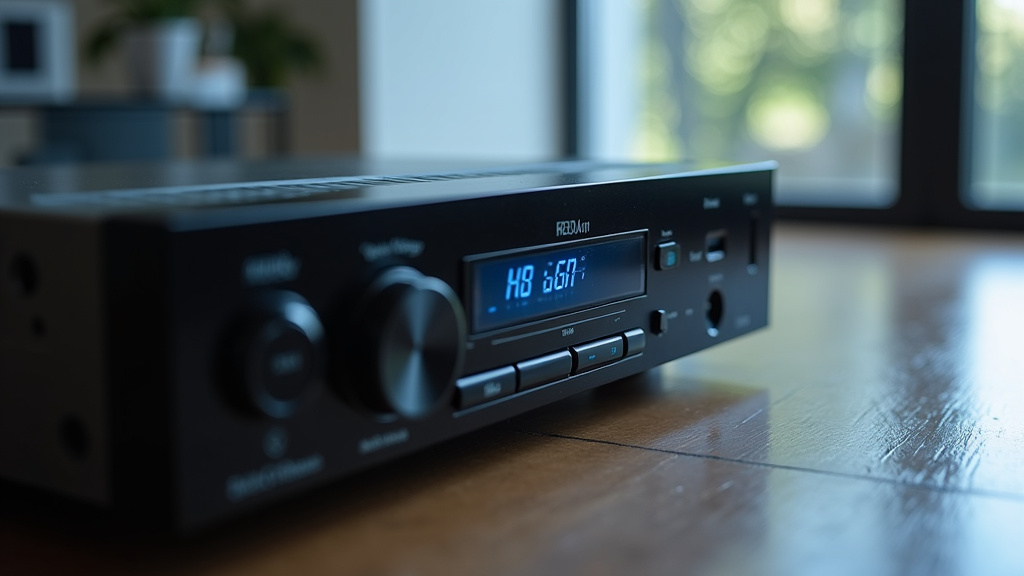
A hybrid DVR is a smart security recorder that can handle both older analog CCTV cameras and newer IP cameras. For a related setup question, see camera-free DVR use. This means you don’t have to replace all your existing cameras if you want to upgrade your system. It offers a flexible way to build a video surveillance setup that fits your needs and budget.
This type of Digital Video Recorder gives you the best of both worlds. You can keep using your reliable analog cameras while gradually adding advanced IP cameras over time. It’s a practical solution for businesses and homeowners looking to improve their security without a complete overhaul. We found this flexibility makes it a popular choice.
- A hybrid DVR works with analog and IP cameras.
- It lets you upgrade security systems gradually.
- You can mix camera types on one recorder.
- This saves money compared to a full replacement.
- It offers a practical security solution.
Let’s dive deeper into what makes a hybrid DVR so useful and how you can set one up for your property. We’ll break down how it connects everything for you.
Understanding Hybrid DVR Systems
So, what exactly is a hybrid DVR and why is it a smart choice for your security setup? Think of it as a universal remote for your cameras. It’s a single device designed to work with different types of video surveillance cameras. This means you can connect both older, analog CCTV cameras and newer, digital IP cameras to the same recorder. This flexibility is its main selling point.
What’s the Difference Between Analog and IP Cameras?
Before we go deeper, let’s quickly clarify what these camera types mean for your system. Analog CCTV cameras have been around for a long time. They typically use coaxial cables, much like old TV antennas, to send video signals. The DVR then converts these analog signals into digital data for recording and viewing. They are often more affordable upfront.
IP (Internet Protocol) cameras, on the other hand, are essentially smart cameras that connect to your network, often via Ethernet cables. They send digital data directly. Because they are digital, they often offer higher resolutions, better image quality, and more advanced features like motion detection directly within the camera itself. Think of them as mini-computers sending video.
How a Hybrid DVR Bridges the Gap
The magic of a hybrid DVR lies in its dual-technology support. Manufacturers design these devices with ports and internal hardware capable of processing both analog and IP camera signals. This is the core idea behind a hybrid camera system. This avoids the need to choose one type of camera technology exclusively. You can maintain your existing analog cameras while phasing in newer IP cameras when your budget allows or when you need their advanced features.
Many users find this approach incredibly practical. It allows for a gradual upgrade path. Instead of a massive, expensive overhaul, you can replace cameras one by one or section by section. This keeps your security system up-to-date without breaking the bank. We found this makes it a preferred option for many small businesses and homeowners.
How Does a Hybrid DVR Work in Practice?
Let’s look at the actual connections and how the system handles different camera types. It’s less complicated than it sounds!
Connecting Analog Cameras
For analog cameras, the process is very similar to a traditional DVR. You’ll typically connect each analog camera to the DVR using a standard BNC connector and a coaxial cable. This cable carries both the video signal and power (in some setups). The DVR then has built-in encoders to digitize the analog video feed from each camera. This allows it to store and manage the footage.
Connecting IP Cameras
Connecting IP cameras to a hybrid DVR is where the “hybrid” aspect shines. Most hybrid DVRs have built-in network ports (like Ethernet ports) specifically for IP cameras. You can connect IP cameras directly to these ports on the DVR. The DVR acts as a central hub, receiving the digital video streams directly from the IP cameras over the network.
Some hybrid DVRs also support Power over Ethernet (PoE) on these ports. This means the DVR can both send data and provide power to the IP cameras through a single Ethernet cable. This simplifies installation significantly, as you don’t need separate power outlets for each IP camera. We found that setups with PoE are much easier to manage.
Mixing and Matching on One System
The key advantage here is that you can have a mix. Imagine your front door has a reliable analog camera, but you want a high-definition IP camera covering your driveway. A hybrid DVR can handle both simultaneously. You can have, say, 8 analog camera inputs and 4 IP camera channels on a single recorder. This gives you immense flexibility in designing your surveillance coverage.
This ability to mix camera types is a major reason hybrid DVRs are popular. It avoids the headache of needing separate systems or completely ripping out old wiring. You get to leverage your existing investment while still adopting newer technology where it makes sense. Many experts point to this adaptability as a smart long-term security strategy.
Key Features and Benefits to Consider
When you’re looking at hybrid DVRs, there are several features that stand out. Understanding these will help you choose the right one for your needs.
Scalability and Future-Proofing
The primary benefit is scalability. You can start with a few analog cameras and add more as needed. As IP camera technology becomes more appealing or affordable, you can integrate them into your existing system. This future-proofs your investment. You’re not locked into one technology that might become outdated quickly.
Cost-Effectiveness
Replacing an entire analog CCTV system with a new IP-only system can be a significant expense. You’d need new cameras, new cables, and potentially a new NVR (Network Video Recorder). A hybrid DVR allows you to reduce upfront costs by reusing your existing analog cameras. You only pay for new IP cameras as you integrate them.
This makes comprehensive security upgrades more accessible. Many homeowners and small business owners appreciate this budget-friendly approach. We found that the cost savings are often a deciding factor for customers.
Ease of Installation and Setup
While installing any security system requires some effort, hybrid DVRs aim to simplify the process. As mentioned, PoE on IP camera ports reduces the need for separate power. For analog cameras, the familiar BNC connectors are straightforward. The DVR’s interface usually guides you through adding cameras, whether analog or IP.
The setup process often involves a guided wizard within the DVR’s software. This helps you configure network settings, camera detection, and recording schedules. Many users report that setting up a hybrid DVR is surprisingly manageable, even for those without extensive technical backgrounds. It’s designed to be user-friendly.
Remote Access and Viewing
Like most modern DVRs, hybrid models offer robust remote access capabilities. Once set up and connected to your internet, you can view live footage and recorded video from anywhere using a smartphone app or web browser. This is essential for checking in on your property when you’re away. The hybrid nature doesn’t hinder this feature at all.
You get the same convenience as a dedicated NVR. Whether your cameras are analog or IP, the DVR consolidates the streams for remote viewing. Many guides suggest testing remote access thoroughly after installation. This ensures you have reliable connectivity when you need it most.
Choosing the Right Hybrid DVR: What to Look For
Not all hybrid DVRs are created equal. Here’s a quick checklist of what to consider when you’re shopping:
- Number of Channels: How many analog and IP cameras do you need to connect now and in the near future? DVRs come with different channel counts (e.g., 4, 8, 16 channels).
- Resolution Support: Ensure the DVR supports the resolution of the IP cameras you plan to use. Some older hybrid DVRs might have limitations on IP camera resolution.
- Recording Quality: Check the maximum recording frame rate and resolution the DVR supports for both analog and IP streams.
- Storage Capacity: How much hard drive space do you need? This depends on the number of cameras, recording resolution, and how long you want to store footage.
- Ease of Use: Look for user-friendly interfaces and mobile apps. Read reviews to see if others find it easy to navigate.
- Connectivity Options: Does it have enough USB ports for backups? Does it support your home network setup?
By keeping these points in mind, you can select a hybrid DVR that meets your current security needs and allows for easy expansion down the line. It’s a smart investment for adaptable security.
Conclusion
You’ve learned that a hybrid DVR is a smart security choice for mixing old and new cameras. It lets you use your existing analog cameras while gradually adding advanced IP cameras. This flexibility saves you money and avoids a costly, complete system replacement. You get the reliability of analog with the enhanced features of digital cameras, all on one recorder. It’s a practical way to build a security system that fits your budget and your property’s needs. Consider a hybrid DVR for an adaptable and cost-effective security upgrade.
Frequently Asked Questions
Can I connect more IP cameras than analog cameras to a hybrid DVR?
Many hybrid DVRs offer a set number of BNC ports for analog cameras and a separate set of network ports for IP cameras. You can usually mix them, but check the specific model’s channel limits. Some units might have more IP channels available than analog ones.
Will a hybrid DVR automatically detect my IP cameras?
Yes, most hybrid DVRs are designed to automatically detect and connect to IP cameras on your network or directly connected to the DVR’s ports. The system’s interface will typically guide you through adding these cameras once they are connected.
Does a hybrid DVR support remote viewing for both analog and IP cameras?
Absolutely. A hybrid DVR consolidates all camera feeds, whether analog or IP, into a single system. You can access live and recorded footage remotely through its mobile app or web interface, just like a standard DVR or NVR.
What happens if I run out of analog ports but still have analog cameras?
If you run out of analog BNC ports on your hybrid DVR, you might need to consider replacing those remaining analog cameras with IP cameras. Alternatively, you could purchase a second DVR to accommodate more cameras, but this would mean managing two separate systems.
Is it difficult to set up a hybrid DVR compared to a regular DVR?
Setting up a hybrid DVR is very similar to a standard DVR, with the added step of connecting IP cameras to network ports. Features like Power over Ethernet (PoE) can simplify IP camera installation by providing power and data over a single cable, making it quite manageable.