Difference Between Bullet and Dome Cameras: Explained
On this page (9 sections)
- Understanding the Core Differences Between Bullet and Dome Security Cameras
- Bullet Cameras: Visibility and Directability for Your Security
- Dome Cameras: Discreet Surveillance and Enhanced Protection
- Mounting and Installation: Where Do They Fit?
- Bullet vs. Dome: Which One Is Right for You?
- A Quick Comparison Table
- Making the Final Choice: Your Security Checklist
- Conclusion
- Frequently Asked Questions
When choosing security cameras, you’ll often see bullet and dome types. The main difference between bullet and dome cameras lies in their shape and how they’re mounted, which affects their durability, field of view, and how obvious they are. For placement advice, see our guide to indoor and outdoor cameras. Bullet cameras are typically mounted on surfaces like walls, while dome cameras are often ceiling-mounted and more discreet.
Beyond their appearance, these camera styles offer different advantages for your security needs. Bullet cameras are often chosen for their visibility and adjustability, making them great for deterring intruders. Dome cameras, on the other hand, are known for their discreet design and vandal resistance, blending into their surroundings more easily.
TL;DR:
- Bullet cameras stick out and are easy to aim.
- Dome cameras are more hidden and can be harder to damage.
- Bullet cameras are great for deterring people.
- Dome cameras are good for areas where vandalism is a concern.
- Shape and mounting are the biggest visual differences.
Let’s walk through exactly what makes each type unique and which might be the better fit for your home or business.
Understanding the Core Differences Between Bullet and Dome Security Cameras
When you’re looking at security cameras, you’ll notice two main shapes: bullet and dome. These shapes aren’t just for looks; they play a big role in how the camera works and where you can use it. Let’s break down what makes them different so you can pick the best one for your needs.
What is a Bullet Camera?
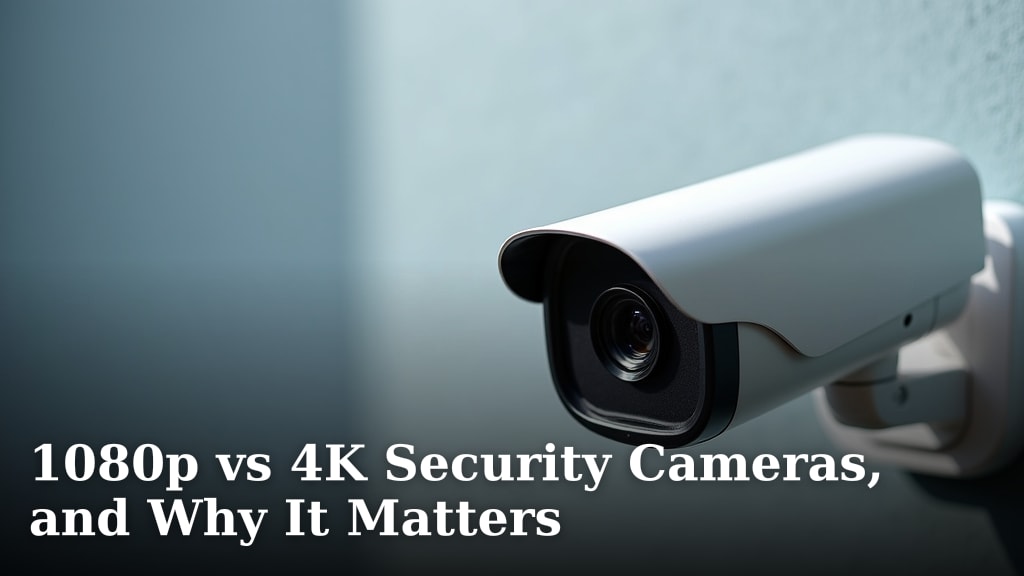
Think of a bullet camera like a small, sturdy scope. It’s often cylindrical, sticking out from a wall or pole. This design makes it very noticeable. Its shape also means you can often easily adjust its angle to point exactly where you need it. Many bullet cameras are built to withstand outdoor weather, making them a popular choice for monitoring entryways, driveways, or fences.
Key Features of Bullet Cameras
- Visibility: Their prominent design acts as a deterrent. People see them and know they’re being watched.
- Adjustability: Most bullet cameras have a bracket that allows you to easily move the camera up, down, left, or right.
- Durability: Many are built tough for outdoor use, often with weather-resistant casings.
- Mounting: They are typically mounted on flat surfaces like walls, posts, or under eaves.
What is a Dome Camera?
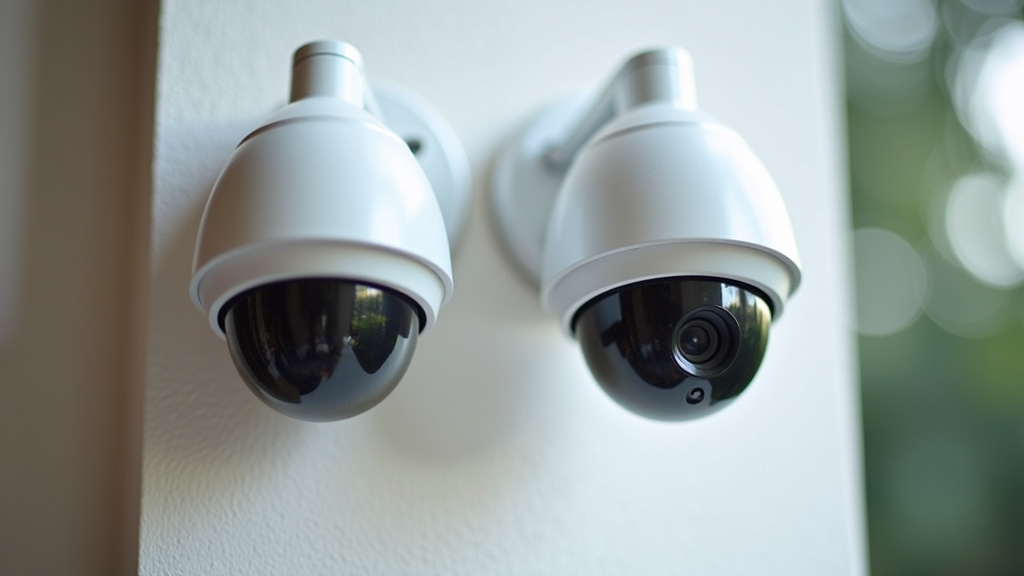
A dome camera looks like a dome, usually mounted on a ceiling or under an overhang. It sits inside a clear or tinted plastic bubble. This shape makes it much more discreet than a bullet camera. It’s harder for someone to tell exactly where it’s pointing. Because they are enclosed, dome cameras are often more resistant to tampering and vandalism.
Key Features of Dome Cameras
- Discreet Appearance: Their rounded shape blends in better with building architecture.
- Vandal Resistance: The protective dome makes them harder to damage or tamper with.
- Wide Field of View: Many dome cameras offer a broader view of an area.
- Mounting: Commonly found on ceilings, soffits, or under ledges.
Bullet Cameras: Visibility and Directability for Your Security
Bullet cameras are often the go-to choice when you want a camera that’s clearly visible and easy to aim. Their distinct shape makes them a strong visual deterrent. If your main goal is to let potential intruders know they’re being watched, a bullet camera is an excellent option.
Why Choose a Bullet Camera for Deterrence?
It’s pretty simple: a visible camera signals that a property is protected. We found that many security professionals suggest that a well-placed, obvious camera can make a criminal think twice. The prominent design of a bullet camera serves this purpose well. It’s like putting up a “beware of dog” sign, but for your property’s security.
Ease of Aiming and Adjusting
One of the biggest advantages of bullet cameras is how easy they are to position. Most come with an adjustable bracket. You can often loosen a few screws and then move the camera to the exact spot you want to monitor. This means you can fine-tune the field of view without needing special tools. If you want to point a camera directly at your front door or a specific corner of your yard, a bullet camera makes it straightforward.
Outdoor Durability of Bullet Cameras
Many bullet cameras are built for the tough conditions outside. They often have an IP rating (Ingress Protection) that tells you how well they resist dust and water. For example, an IP66 or IP67 rating means the camera can handle dust and high-pressure water jets. This makes them suitable for use in rain, snow, and other challenging weather. We found that these ratings are a good indicator of a camera’s ability to withstand the elements.
Dome Cameras: Discreet Surveillance and Enhanced Protection
Dome cameras offer a more subtle approach to security. Their design allows them to blend in more easily, making them less obvious to the casual observer. This discreet nature, combined with their protective housing, makes them ideal for certain environments.
The Advantage of Discreet Design
If you want security without the cameras being the main focus, dome cameras are a great pick. Their low profile allows them to blend into the surroundings. This can be particularly useful in businesses or homes where aesthetics are important. Unlike a bullet camera that sticks out, a dome camera can be less visually intrusive. Many experts point out that discretion can be a key part of a security strategy.
Vandal Resistance and Durability
The dome shape isn’t just for looks; it provides a layer of protection. The camera sits inside a strong, often polycarbonate, bubble. This makes it much harder for someone to tamper with the lens or the camera itself. We found that this vandal-resistant feature is especially important for cameras placed in public areas or places where damage might be a concern. Some dome cameras are even rated for IK (Impact Protection), indicating their resistance to physical force.
Wider Field of View Capabilities
While not true for every model, many dome cameras are designed to offer a wider viewing angle. This means a single dome camera can cover a larger area. This can be very useful in large rooms, lobbies, or open outdoor spaces. You might need fewer cameras to monitor the same amount of space compared to bullet cameras.
Mounting and Installation: Where Do They Fit?
The way these cameras are mounted is a significant difference. It influences where you can effectively place them and how they integrate with your property.
Bullet Camera Mounting: Surface Level Security
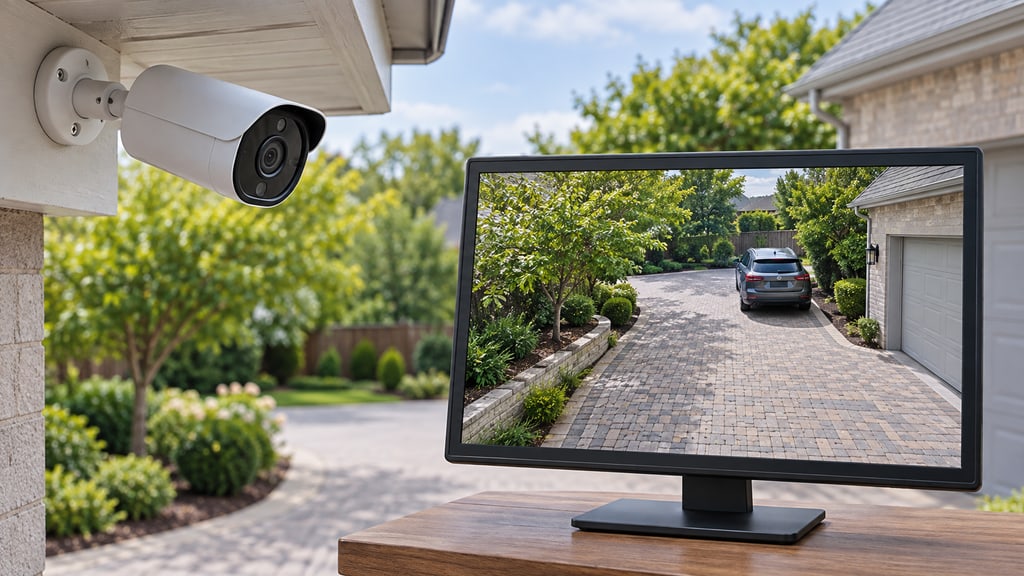
Bullet cameras are almost always surface-mounted. This means they attach directly to a wall, post, or the underside of an eave. Their shape extends outwards from the mounting surface. This makes them ideal for pointing down driveways, across yards, or towards specific entry points. Installation is generally straightforward, often involving drilling a few holes and securing the camera bracket.
Dome Camera Mounting: Ceiling and Overhangs
Dome cameras are typically ceiling-mounted or flush-mounted. They can also be mounted on a pole using a specific bracket. When mounted on a ceiling, the dome sits flush with the surface, making it very unobtrusive. This is common in offices, retail stores, and inside homes. For outdoor use, they are often mounted under overhangs or soffits, providing some protection from direct weather while maintaining their discreet profile.
Bullet vs. Dome: Which One Is Right for You?
Deciding between a bullet and a dome camera comes down to your specific needs and priorities. Consider what you want the camera to do and where it will be placed.
Situations Where Bullet Cameras Shine
- When you want a clear visual deterrent to discourage crime.
- If you need to precisely aim the camera at a specific spot.
- For areas where durability against weather is the top concern.
- When installation on walls or posts is the most practical option.
Situations Where Dome Cameras Excel
- When you need a discreet camera that blends into the environment.
- In areas where vandalism or tampering is a potential problem.
- For monitoring large, open indoor spaces where a wide field of view is needed.
- If you prefer a camera that is less visually intrusive.
A Quick Comparison Table
Here’s a simple breakdown to help you quickly see the main differences:
| Feature | Bullet Camera | Dome Camera |
|---|---|---|
| Shape | Cylindrical, sticks out | Spherical, rounded |
| Visibility | High (acts as deterrent) | Low (discreet) |
| Mounting | Surface (walls, posts) | Ceiling, flush, overhangs |
| Vandal Resistance | Moderate | High |
| Ease of Aiming | Very Easy | Can be more complex, often requires accessing inside the dome |
| Typical Use | Entryways, perimeter, visible monitoring | Lobbies, retail, public areas, discreet monitoring |
Making the Final Choice: Your Security Checklist
Before you decide, ask yourself these questions:
- Do you want people to see the camera to prevent crime?
- Is the camera going to be in a spot where it could easily be tampered with?
- Where is the best place to mount the camera: a wall, a ceiling, or under an overhang?
- Do you need to cover a very wide area with a single camera?
- How important is it for the camera to blend in with its surroundings?
- What kind of weather conditions will the camera need to withstand?
Answering these will point you towards the camera style that best fits your property and security goals.
Conclusion
Choosing between bullet and dome security cameras largely depends on your priorities. Bullet cameras offer clear visibility and easy aiming, making them excellent for deterring unwanted visitors and monitoring specific spots. Dome cameras, with their discreet design and robust build, are ideal for areas needing vandal resistance or where you prefer a less obvious surveillance presence. Think about whether you need a camera that shouts “I’m watching!” or one that quietly observes. By considering these key differences in shape, mounting, and intended use, you can select the camera that best fits your property’s unique security needs.
Frequently Asked Questions
Can I use a bullet camera indoors?
Yes, you can certainly use a bullet camera indoors. While they are often designed for outdoor durability, their visibility can be useful for deterring theft or monitoring specific indoor areas like a garage or a large room. Just ensure it’s placed where its shape and prominent design won’t be an obstruction.
Are dome cameras always hidden?
Dome cameras are designed to be more discreet than bullet cameras, but they are not completely hidden. Their rounded shape helps them blend into ceilings or walls better. The tinted dome can also make it harder to tell exactly where the lens is pointing, adding to their subtle nature.
Which camera type is better for night vision?
Both bullet and dome cameras can come with excellent night vision capabilities. The type of camera doesn’t inherently dictate its night vision performance. Look for models that specifically advertise infrared (IR) LEDs and a good low-light performance rating, regardless of whether it’s a bullet or dome style.
How do I know if a camera is vandal-resistant?
For dome cameras, look for an IK rating, such as IK10. This rating indicates resistance to physical impact. Many bullet cameras are built tough for outdoor use, but they typically don’t have the same level of specific vandal-resistance as enclosed dome cameras unless explicitly stated.
Can I install a bullet camera on a ceiling?
While bullet cameras are primarily designed for surface mounting on walls or poles, it is sometimes possible to mount them on a ceiling. You would typically use the camera’s bracket to attach it to the ceiling surface, pointing downwards. However, dome cameras are generally more suited for ceiling installations due to their design.