Indoor vs Outdoor Security Cameras, Explained Simply
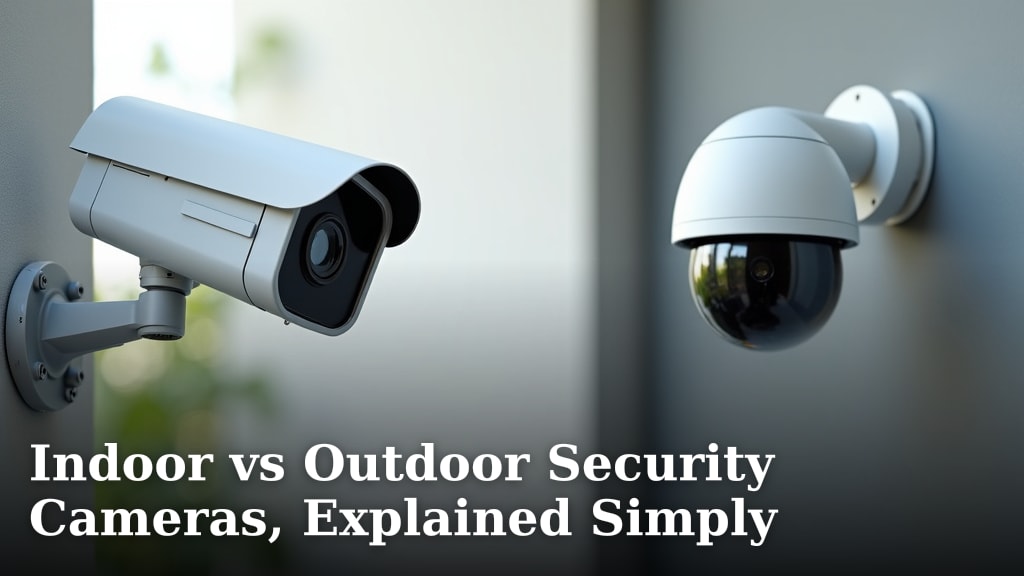
Choosing between indoor and outdoor security cameras comes down to where you need protection. Indoor cameras are great for monitoring people and pets inside your home. Outdoor cameras are built to withstand the elements and watch over your property’s exterior, like your front door or backyard. Both offer peace of mind, but they serve different purposes based on their design and features.
Deciding which type of camera is right for you involves understanding their unique strengths. For example, outdoor cameras often have wider viewing angles and weatherproofing to handle rain or sun. Indoor cameras might focus more on features like two-way audio for talking to family members or pets. We found that the best approach is to think about the specific areas you want to monitor and the environmental conditions they’ll face.
- Indoor cameras: Best for watching pets, kids, or inside the house.
- Outdoor cameras: Designed for weather resistance and property protection.
- Consider your specific needs before buying.
- Both types offer important security benefits.
Let’s break down the key differences and help you figure out which cameras will best suit your needs for keeping an eye on things, inside and out.
Understanding Your Home Security Camera Options
Choosing between indoor and outdoor security cameras is a decision about where you need eyes on your property. Both aim to keep you informed, but they’re built for different environments. An outdoor camera bravely faces the weather, while an indoor camera keeps watch over your living spaces. We found that understanding these core differences helps you pick the right tool for the job.
When to Choose an Indoor Security Camera
Indoor cameras are your home’s watchful guardians from the inside. They’re perfect for keeping tabs on things when you’re not around. Think of them as digital nannies or pet-sitters. You might want one to check on your dog’s zoomies while you’re at work or to see if your kids got home from school safely. Many people use them to keep an eye on valuable items or just to feel more secure within their own walls.
Monitoring Your Home’s Interior
The primary role of an indoor camera is to monitor what’s happening inside. This could be as simple as checking on a sleeping baby or as complex as deterring a potential burglar. You can place them in main living areas, entryways, or rooms with valuables. Their **discreet design** often makes them blend in, so they don’t draw unwanted attention.
Features for Inside Use
Indoor cameras often come with features tailored for home life. Many offer **two-way audio**, letting you speak to family members or pets through the camera. Some have advanced motion detection that can tell the difference between a person and a passing car. Night vision is common, ensuring you can see clearly even in dim light. We found that battery-powered options offer flexibility in placement, so you aren’t tied to a power outlet.
When to Choose an Outdoor Security Camera
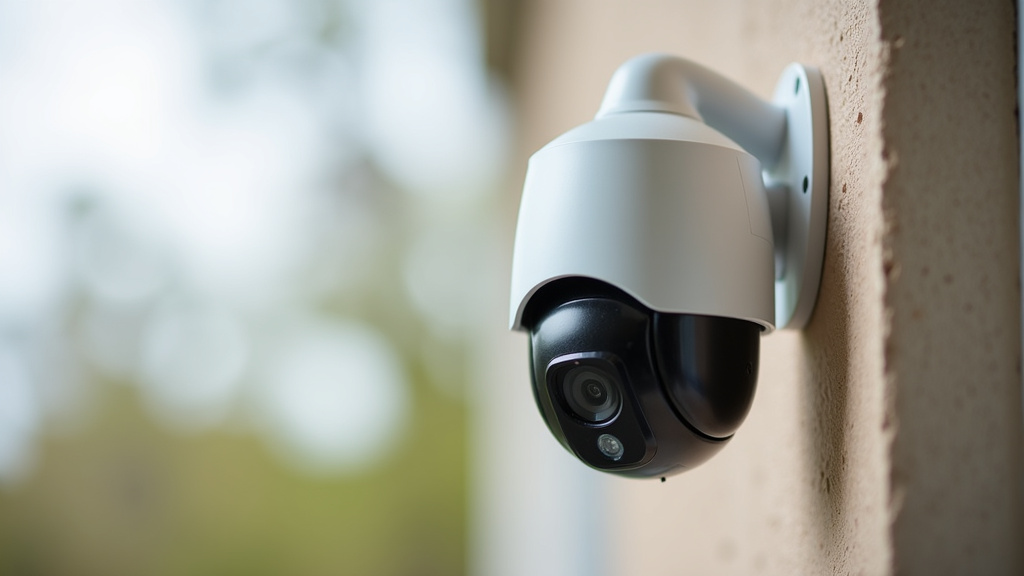
Outdoor cameras are the frontline defense for your property. They are built tough to handle whatever nature throws at them. Their main job is to monitor your yard, driveway, front door, and other exterior areas. They act as a visual deterrent to would-be intruders and provide evidence if an incident occurs. Many homeowners use them to monitor package deliveries or see who’s at the gate.
Durability and Weather Resistance
The biggest difference you’ll notice is how outdoor cameras are built. They are designed to be **weatherproof**. This means they can withstand rain, snow, direct sunlight, and extreme temperatures without breaking. Look for an IP rating (Ingress Protection) to understand their level of protection against dust and water. An IP65 or higher rating is generally good for outdoor use, according to many industry standards.
Features for Exterior Protection
Outdoor cameras often have wider **viewing angles** than indoor models. This allows them to cover more ground, like your entire front yard. They typically have more powerful night vision capabilities to see further into the darkness. Many are equipped with floodlights or sirens that can activate when motion is detected, startling potential intruders. Some systems offer solar power options, which can be very convenient for hard-to-reach areas.
Key Differences: A Side-by-Side Look
When you compare indoor and outdoor cameras directly, their purpose becomes very clear. It’s not just about where you put them; it’s about how they are engineered. We’ve put together a table to highlight these distinctions, making it easier to see which features matter most for your specific needs.
| Feature | Indoor Camera | Outdoor Camera |
|---|---|---|
| Primary Use | Monitoring pets, children, inside your home. | Watching property exterior, deterring intruders. |
| Durability | Generally not weatherproof; for protected areas. | Weather-resistant; built for rain, sun, cold. |
| Power Source | Often plugged in; battery options available. | Plugged in, battery-powered, or solar-powered. |
| Night Vision | Standard, suitable for indoor lighting. | Often more powerful, for darker outdoor areas. |
| Field of View | Can be narrower, focusing on specific areas. | Often wider, to cover more ground. |
| Audio Features | Two-way audio common for communication. | May have audio for alerts, but less emphasis on conversation. |
| Connectivity | Usually Wi-Fi; some wired options. | Wi-Fi or wired; robust connection needed outdoors. |
Environmental Considerations
The environment your camera will operate in is a huge factor. An indoor camera doesn’t need to worry about a sudden downpour or the scorching summer sun. They operate in a stable temperature range. Outdoor cameras, on the other hand, must be built to handle these fluctuations. They need to be sealed against moisture and dust, and their internal components must tolerate a wider range of temperatures. We found that skipping this step can lead to a camera failing prematurely.
Connectivity and Installation
How you’ll power and connect your camera also differs. Indoor cameras are often easy to set up near an electrical outlet and a strong Wi-Fi signal. For outdoor cameras, you might need to run power cables, which can be more complex. Battery-powered outdoor cameras offer an easier installation but require regular charging or a solar panel. Robust Wi-Fi or wired connections are essential outdoors to ensure you don’t miss any critical footage. Many experts suggest testing your Wi-Fi signal strength at the desired mounting location before buying.
Do You Need Both Indoor and Outdoor Cameras?
For many people, a complete security system includes both indoor and outdoor cameras. This approach gives you a 360-degree view of your property’s safety. You can monitor your yard and exterior spaces with outdoor cameras, while also keeping an eye on what’s happening inside your home with indoor cameras. This layered security strategy offers the most comprehensive peace of mind.
A Layered Approach to Home Security
Think of it like having security guards at your gates and also patrolling inside. Outdoor cameras act as your perimeter defense. They can alert you to someone approaching your home or lurking around your property. Indoor cameras then provide a second layer of security. They can help you monitor activity within your home, whether it’s from family members, pets, or unexpected visitors.
When One Might Be Enough
Of course, you might not need both. If your primary concern is simply checking on your pets while you’re out, an indoor camera might suffice. Or, if you live in a very remote area with little foot traffic and just want to monitor deliveries, a single well-placed outdoor camera could be enough. We found that assessing your **most pressing security concerns** is the best way to decide if one type or a combination is right for you.
Making Your Final Choice: A Quick Checklist
To help you decide, ask yourself these questions. Answering them honestly will point you toward the right camera solution for your needs. We’ve found this checklist incredibly helpful for homeowners.
- What specific area do you need to monitor? (e.g., front door, backyard, nursery, living room)
- What are the environmental conditions for the camera’s location? (e.g., rain, extreme heat, indoor temperature)
- Do you need to communicate with people or pets through the camera?
- How important is night vision or motion-activated lighting?
- What is your budget for security cameras?
- Are you comfortable with a more complex installation, or do you prefer plug-and-play?
Conclusion
You’ve learned that choosing between indoor and outdoor security cameras is all about where you need protection. Indoor cameras keep an eye on your family and pets inside. Outdoor cameras brave the elements to guard your property’s exterior. We’ve found that considering environmental conditions and your specific security concerns is key. Your next step is to use the checklist we provided to identify your most pressing needs. This will help you make an informed decision and select the right cameras for your home.
Frequently Asked Questions
Can I use an outdoor camera inside?
Yes, you technically can use an outdoor camera inside. However, they are often larger and might not blend in as well with your home decor. Outdoor cameras are built with more robust materials and weatherproofing that isn’t usually necessary for indoor use, so you might be paying for features you don’t need.
Can I use an indoor camera outside?
No, you should not use an indoor camera outside. They are not designed to withstand rain, snow, extreme temperatures, or dust. Exposing an indoor camera to the elements will likely damage it and cause it to stop working.
Do outdoor cameras need a strong Wi-Fi signal?
Yes, outdoor cameras generally require a strong and stable Wi-Fi signal. Since they are often placed further away from your router than indoor cameras, signal strength can be an issue. You may need a Wi-Fi extender or a mesh network to ensure reliable connectivity for your outdoor cameras.
What is an IP rating, and why is it important for outdoor cameras?
An IP rating (Ingress Protection) tells you how well a device is protected against dust and water. For outdoor cameras, a higher IP rating, like IP65 or IP66, indicates better protection against harsh weather conditions such as rain and dust, ensuring the camera’s longevity.
Is it better to get wired or wireless outdoor cameras?
Wired outdoor cameras offer a more consistent power and data connection but can be harder to install. Wireless (battery or solar-powered) outdoor cameras are easier to install in various locations but require battery recharges or good sunlight. We found that the best choice depends on your installation comfort and location accessibility.