What Is a Fixed Lens Security Camera, and How It Is Used?
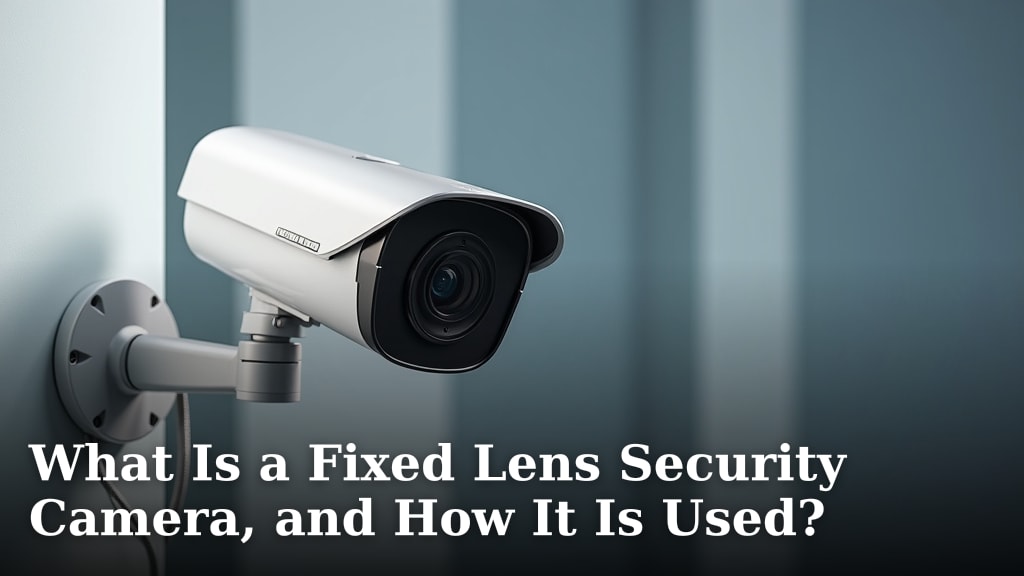
A fixed lens security camera is a type of camera where the lens is permanently attached and cannot be zoomed or refocused. You might think of it as a camera with a set “eye” that sees a specific area. This design makes them quite simple and reliable for consistent surveillance.
Unlike cameras with adjustable zoom, a fixed lens camera offers a wide field of view or a more focused look at a particular spot. They are often chosen for their straightforward setup and dependable performance. Many experts recommend them for areas where you need to cover a broad, unchanging area, like a doorway or a storefront.
- A fixed lens camera has a lens that’s built-in.
- It offers a set view and doesn’t zoom.
- These cameras are known for being simple and durable.
- They’re great for watching specific, unchanging spots.
- Think of them as a reliable, no-fuss surveillance option.
We found that understanding how these cameras work helps you pick the best one for your needs. Let’s look closer at what a fixed lens security camera is and how it’s commonly used around your home or business.
Understanding Fixed Lens Security Cameras and Their Applications
A fixed lens security camera is pretty straightforward. Its lens is permanently attached to the camera body. You can’t change it or zoom it in or out. Think of it like your own fixed gaze – it sees what it sees. This makes it a reliable choice for consistent monitoring of a specific area. You get a clear, unchanging view.
What Exactly is a Fixed Lens?
The “fixed” part refers to the lens. It’s designed to capture a specific field of view. This means it has a set focal length. You can’t adjust it to get closer or wider shots. It’s like having a camera with a built-in perspective. This simplicity is a big part of its appeal for many users.
Focal Length and Field of View
The focal length of a fixed lens determines how wide or narrow the camera’s view is. A shorter focal length (e.g., 2.8mm) provides a wider angle. This is great for seeing a large area. A longer focal length (e.g., 12mm) offers a narrower, more zoomed-in view. This is good for focusing on a smaller, distant detail. You choose the lens based on what you need to see.
How Fixed Lens Cameras Differ from Others
The main difference lies in adjustability. Other types of cameras might have varifocal lenses. These allow you to manually adjust the focal length and focus. Then there are PTZ (Pan-Tilt-Zoom) cameras. These can be controlled remotely to move and zoom. Fixed lens cameras don’t have these features. They offer a set and forget solution for constant surveillance.
Varifocal vs. Fixed Lenses
Varifocal lenses give you flexibility. You can adjust the zoom and focus during installation or later. This is handy if your surveillance needs change. However, fixed lenses are often more robust and simpler. They have fewer moving parts, which can mean greater durability. They are also typically more budget-friendly.
PTZ Cameras and Their Role
PTZ cameras are for active tracking. You can pan left and right, tilt up and down, and zoom in. They’re like a camera operator watching the scene. For areas where you need to follow movement or inspect details remotely, PTZ is useful. Fixed lens cameras are for areas where you need constant, static coverage. They are less about active pursuit and more about continuous observation.
Common Uses for Fixed Lens Security Cameras
These cameras are incredibly versatile. Their simplicity makes them ideal for many situations where consistent monitoring is key. You’ll find them used in homes, businesses, and public spaces. The goal is usually to keep an eye on a specific, unchanging area.
Home Security Applications
At home, fixed lens cameras are perfect for monitoring entry points. Think about your front door, back door, or garage door. A camera with a wide fixed lens can cover the entire entryway. This ensures you capture anyone approaching your home. You can also use them to watch over driveways or backyards. They provide a dependable visual record of activity.
Covering Entryways and Exits
When you install a camera at your front door, you want to see who is there. A fixed lens camera with an appropriate field of view can capture faces and general activity. It’s like having a watchful eye that never blinks. You can get a clear view of package deliveries or visitors.
Monitoring Outdoor Areas
For your backyard, a fixed lens camera can cover a patio area or a gate. If you have a long driveway, a camera with a slightly longer focal length might be better. This allows you to see vehicles approaching without needing to zoom. It’s about getting the right perspective for the space you need to monitor.
Business and Commercial Use
Businesses often use fixed lens cameras for various security needs. They are cost-effective for covering many areas. Retail stores use them to monitor aisles and checkout counters. Offices might use them to watch reception areas or common spaces.
Retail Store Surveillance
In retail, theft prevention is a major concern. Fixed lens cameras can monitor sales floor activity. They can also keep an eye on the cash register area. A camera positioned correctly can deter shoplifters and provide evidence if needed. Many experts recommend a mix of camera types, but fixed lenses are often the backbone of a system.
Office and Workplace Monitoring
For offices, fixed lens cameras can enhance security and accountability. They can monitor entrances and exits, ensuring only authorized personnel enter. They might also cover sensitive areas like server rooms or storage areas. This helps maintain a secure working environment.
Warehouse and Industrial Settings
Warehouses are large spaces. Fixed lens cameras can be used to monitor loading docks, storage aisles, and perimeter fencing. Their durability also makes them suitable for potentially harsher environments. They provide consistent oversight of operations.
Public Spaces and General Surveillance
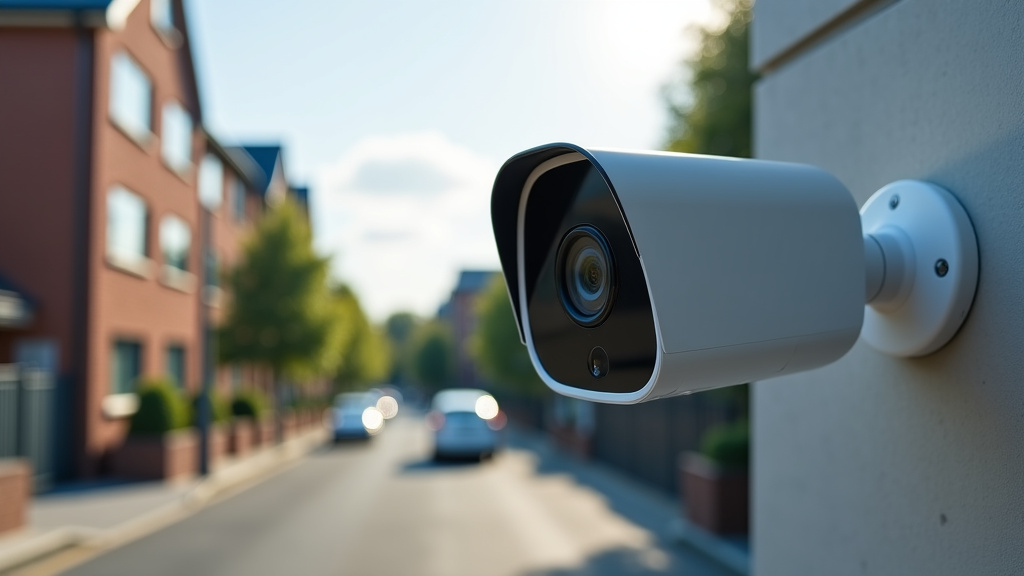
Fixed lens cameras are also common in public areas. Think about parks, public streets, or school campuses. They help deter crime and provide footage for investigations. Their reliability in various weather conditions makes them a good choice for outdoor public surveillance.
Choosing the Right Fixed Lens Camera for Your Needs
With so many options, selecting the right camera is important. You need to consider the area you want to cover and the level of detail you need.
Assessing Your Coverage Area
Before buying, walk around the area you want to monitor. Where are the key points of entry or activity? What is the distance from the camera’s proposed location to the subject? This will help you determine the necessary field of view. We found that many people underestimate the importance of this step. Proper planning saves time and money.
Understanding Resolution and Image Quality
While the lens is fixed, the camera’s sensor and resolution matter. Higher resolution cameras (like 1080p or 4K) provide Understanding a hidden security camera can be useful for specific surveillance needs.sharper, more detailed images. This is important for identifying faces or license plates. Even with a fixed view, a clear image is essential.
Durability and Weatherproofing
If you’re installing a camera outdoors, you need one that can withstand the elements. Look for cameras with an IP rating (Ingress Protection). An IP66 or IP67 rating means the camera is dust-tight and protected against water. This ensures it will last and continue to provide surveillance even in bad weather. Many manufacturers list these specs clearly. We found that durability is a key factor for outdoor use.
Night Vision Capabilities
Most security cameras today offer night vision, usually through infrared (IR) LEDs. This allows the camera to see in complete darkness. The range of the night vision is important, especially for larger areas. For example, a camera with 30 meters of IR range is suitable for many residential and small business applications. Always check the specifications for night vision performance.
Key Features to Look For: A Checklist
- Fixed lens: Non-adjustable for simplicity.
- Appropriate Field of View: Matches your coverage needs.
- High Resolution: For clear, detailed images (e.g., 1080p or higher).
- Night Vision: Effective IR range for low-light conditions.
- Weatherproofing (IP Rating): For outdoor installation durability.
- Sturdy Mounting Hardware: To secure the camera in place.
Conclusion
You’ve learned that a fixed lens security camera offers a simple, reliable way to monitor specific areas. Unlike cameras with zoom, its unchanging view makes it perfect for consistent surveillance of doorways, storefronts, or driveways. We’ve seen how understanding its focal length helps you choose the right field of view for your needs. You can enhance your home or business security with these durable, no-fuss cameras. Now, consider the specific spots you need to watch and pick a fixed lens camera that fits those requirements to start enhancing your peace of mind.
Frequently Asked Questions
Can I adjust the zoom on a fixed lens security camera?
No, you cannot adjust the zoom on a fixed lens security camera. The lens is permanently set, meaning it provides a specific, unchanging field of view. You choose the camera based on the desired width or narrowness of its view.
Are fixed lens cameras good for large areas?
Fixed lens cameras can cover large areas if you choose one with a wide focal length (e.g., 2.8mm). This gives you a broad perspective. For very large or distant areas, you might need multiple cameras or a different type of camera suited for long-range viewing.
How do I know what focal length I need for my fixed lens camera?
Consider the distance from where you’ll mount the camera to what you want to see. For close-up views like a doorway, a wider lens is best. For longer distances, like a driveway, a slightly longer focal length will give you a more focused view without distortion.
Are fixed lens cameras more durable than PTZ cameras?
Generally, yes. Fixed lens cameras have fewer moving parts than PTZ (Pan-Tilt-Zoom) cameras. This simpler design often leads to greater durability and a lower chance of mechanical failure, especially in outdoor or demanding environments.
Do fixed lens cameras have night vision?
Most modern fixed lens security cameras come equipped with night vision capabilities, usually through infrared (IR) LEDs. This allows them to capture clear black-and-white images in low-light or complete darkness. Always check the camera’s specifications for its IR range.