What Is a Plug in Security Camera, and What It Does?
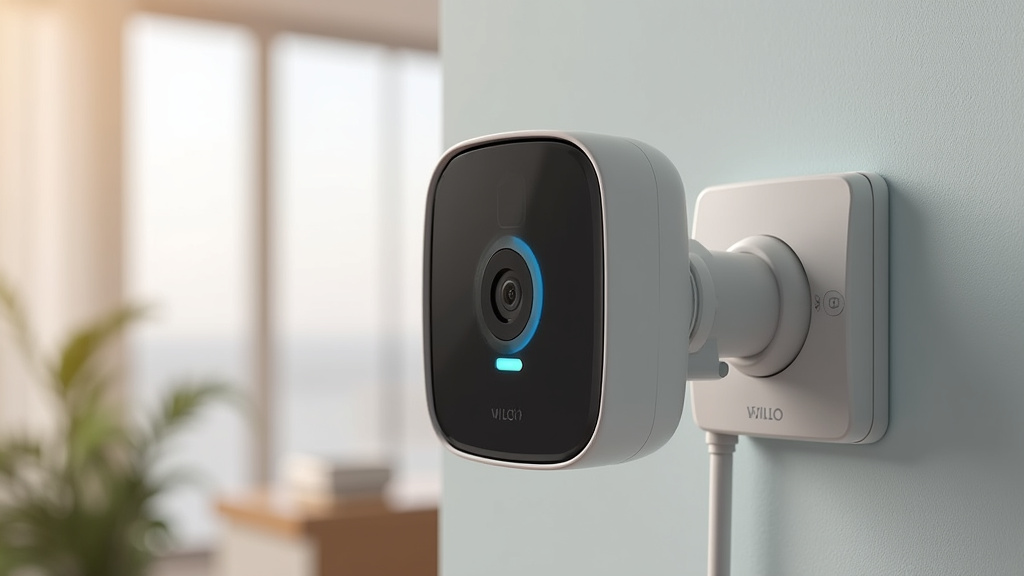
A plug-in security camera is a camera that A plug-in security camera is a type of standalone camera.plugs directly into a standard wall outlet for power. This means you don’t need to worry about batteries running out or complex wiring. It’s a straightforward way to add an extra layer of security to your home or business.
These cameras are designed for easy setup and constant operation. Because they’re always powered, they provide continuous monitoring without interruption. Many offer features like motion detection and night vision, making them a popular choice for everyday shoppers seeking simple surveillance solutions.
- Plug-in cameras get power from a wall outlet.
- They offer continuous monitoring.
- No battery changes are needed.
- Setup is generally simple.
Let’s walk through exactly what a plug-in security camera is and how it can help keep an eye on things for you.
Understanding Plug-In Security Cameras and Their Purpose
A plug-in security camera is quite literally what it sounds like. It’s a surveillance camera that needs to be plugged into a standard electrical outlet to work. This simple power source is its defining feature. You won’t find yourself hunting for batteries or dealing with low-power warnings. These cameras are designed to stay on and keep watching, as long as they have electricity.
Think of it like a lamp or a toaster. It needs to be connected to the wall to do its job. This makes them a convenient choice for many people. You just find a spot, plug it in, and you’re mostly ready to go. This direct power connection also means you don’t have to worry about the camera suddenly going offline because its battery died. It’s a reliable way to get continuous monitoring.
How Plug-In Security Cameras Work
The core function of a plug-in security camera is to watch and record activity. They use a lens to capture video, much like the camera on your smartphone. The key difference is their intended purpose: security. They are built to be stationary or semi-stationary surveillance devices. While plug-in cameras are visible, understanding hidden security cameras can offer alternative surveillance options.
Powering Your Camera
As we’ve discussed, the power source is a standard wall outlet. The camera will come with an adapter and a power cord. You simply plug the adapter into the outlet and connect the cord to the camera. This ensures a constant flow of power. No charging cycles, no battery replacements, just steady operation. This is a big plus if you want a set-it-and-forget-it kind of security solution.
Video Capture and Storage
These cameras capture video footage. The quality can range from standard definition to high definition, depending on the model. Some cameras record continuously, while others use motion detection to start recording only when something happens. Recordings are typically stored in one of a few ways.
Local Storage Options
Many plug-in cameras support a microSD card. You insert a card into the camera, and it saves your recordings directly onto it. This is a simple form of local storage. When the card fills up, older footage is usually overwritten. You can then remove the card to view your footage on a computer.
Cloud Storage Services
Other models connect to your home Wi-Fi. This allows them to send footage to a cloud storage service. You usually pay a monthly or annual subscription fee for this. The benefit is that your footage is stored off-site, so it’s safe even if the camera is stolen or damaged. You can access your recordings from anywhere using a smartphone app or web browser.
Connectivity and Remote Access
Most modern plug-in security cameras offer Wi-Fi connectivity. This is how they send you alerts and allow remote viewing. You’ll download a specific app for the camera brand onto your smartphone or tablet. Through this app, you can often:
- View a live feed of what the camera sees.
- Receive notifications when motion is detected.
- Access stored recordings.
- Adjust camera settings.
- Communicate through two-way audio (if available).
This remote access feature is incredibly useful. It means you can check in on your home or business from anywhere in the world, as long as you have an internet connection.
Key Features You’ll Find
Plug-in cameras come with a variety of features designed to enhance their security capabilities. Understanding these can help you choose the right one for your needs. You’re not just getting a camera; you’re getting a tool to help you keep an eye on things.
Motion Detection Technology
This is a very common and important feature. Instead of recording 24/7, which would quickly fill up storage, motion detection sensors can trigger recording. When the sensor detects movement, the camera starts recording and often sends an alert to your phone. We found that this feature can greatly reduce unnecessary recordings and battery drain (for battery-powered models, but the principle is the same for efficiency). Some advanced cameras use AI to distinguish between people, pets, and vehicles, reducing false alarms.
Night Vision Capabilities
For 24-hour security, night vision is essential. Most plug-in cameras use infrared (IR) LEDs. These LEDs emit invisible light that the camera can see in the dark. This allows you to see what’s happening even when it’s completely dark outside. The range of night vision can vary, so check the specifications if you need to monitor a large area in low light.
Two-Way Audio
Some plug-in cameras include a built-in microphone and speaker. This feature, known as two-way audio, allows you to hear what’s happening in the camera’s vicinity and also speak through the camera’s speaker using your app. It’s like having a walkie-talkie function. This can be useful for deterring intruders, talking to delivery people, or communicating with family members at home.
Weather Resistance (for Outdoor Models)
If you plan to use your plug-in camera outdoors, weather resistance is a must. Look for cameras with an IP rating (Ingress Protection). An IP rating indicates how well the camera is protected against dust and water. For example, an IP65 rating means it’s protected against dust and low-pressure water jets from any direction. Many experts suggest an IP65 or higher for outdoor use.
Where to Use Plug-In Security Cameras
The versatility of plug-in security cameras means they can be used in many different locations. Their ease of setup makes them a popular choice for simple surveillance tasks. Think about where you might need an extra set of eyes.
Indoor Monitoring
These cameras are excellent for keeping an eye on the inside of your home. You can place them in living rooms, hallways, or near entry points. They can help you monitor children, pets, or simply see who’s coming and going. They can also be used to check on elderly family members or to ensure your home is secure while you’re away.
Outdoor Surveillance
With weather-resistant models, plug-in cameras are great for outdoor use. You can position them to watch your front door, backyard, driveway, or garage. They act as a visual deterrent to potential burglars and can provide valuable evidence if an incident occurs. Many are designed to blend in or stand out, depending on your preference.
Small Businesses and Offices
Plug-in cameras are also a viable option for small businesses. They can monitor storefronts, stockrooms, or reception areas. This helps with loss prevention and can also improve employee accountability. The remote viewing feature means business owners can check in even when they’re not on-site.
Setting Up Your Plug-In Camera: A Quick Checklist
Getting your plug-in security camera up and running is usually straightforward. Most manufacturers aim for a user-friendly experience. Here’s a quick rundown of what you can expect:
- Unbox your camera and check all the included accessories.
- Find a suitable location with a power outlet nearby.
- Mount the camera if necessary (some come with mounting hardware).
- Plug the camera into the power outlet using the provided adapter and cord.
- Download the camera’s dedicated mobile app and create an account.
- Follow the app’s instructions to connect the camera to your Wi-Fi network.
- Test the camera by viewing the live feed and triggering motion detection.
This simple process means you can often have your camera operational within minutes. It’s designed to be accessible to everyone, not just tech experts.
Conclusion
You’ve learned that plug-in security cameras offer a simple, reliable way to enhance your home or business security. Their main advantage is continuous power, meaning no dead batteries or unexpected downtime. With features like motion detection and night vision, they provide constant monitoring. Whether you need to watch over your home’s interior, exterior, or even a small office, these cameras are easy to set up and manage via smartphone apps. Ready to add an extra layer of watchful eyes? Consider where you need surveillance most and choose a plug-in camera that fits your specific needs for peace of mind.
Frequently Asked Questions
Do plug-in security cameras require Wi-Fi?
Most modern plug-in security cameras do require Wi-Fi to send you alerts and enable remote viewing. Without Wi-Fi, you generally won’t be able to access live feeds or stored footage from your smartphone. Some basic models might record locally without Wi-Fi, but they lose the remote access benefits.
Can I use a plug-in security camera outdoors?
Yes, many plug-in security cameras are designed for outdoor use. You’ll want to look for models specifically advertised as weather-resistant and check their IP rating. An IP rating of IP65 or higher is generally recommended for protection against dust and water.
How much storage space do I need for recordings?
Storage needs depend on how much activity your camera detects and whether it records continuously or only when motion is present. For local storage, a 32GB or 64GB microSD card is often sufficient for motion-activated recordings. Cloud storage plans typically offer more space and automatically manage older footage.
What happens if the power goes out?
If the power goes out, your plug-in security camera will stop working, just like any other plugged-in appliance. Unlike battery-powered cameras, they don’t have a backup power source. Some smart home systems might offer limited power backup for connected devices, but this is not a standard camera feature.
Are plug-in cameras difficult to set up?
Generally, no. Setting up a plug-in security camera is designed to be straightforward for most users. You typically just need to plug it in, download the manufacturer’s app, and follow the on-screen instructions to connect it to your Wi-Fi network.