What Is a Decoy Security Camera, and What It Does?
A decoy security camera is a non-functional fake camera designed to look real. It has no recording equipment or wiring inside. Its only job is to deter potential intruders by creating the appearance of surveillance.
You might place one where a real camera would go. This helps create a general sense of security. Many homeowners and small businesses use them as a simple first step.
- A decoy camera is a realistic-looking fake camera with no working parts.
- It works by deterrence, making people think an area is being watched.
- They are an affordable way to add a visible security presence.
- They are not a substitute for real cameras, which provide evidence.
- Consider using them alongside other security measures for best effect.
Below, we break down exactly what a decoy camera can and cannot do. We also look at where placing one makes the most sense.
Understanding Fake Security Cameras and Their Role
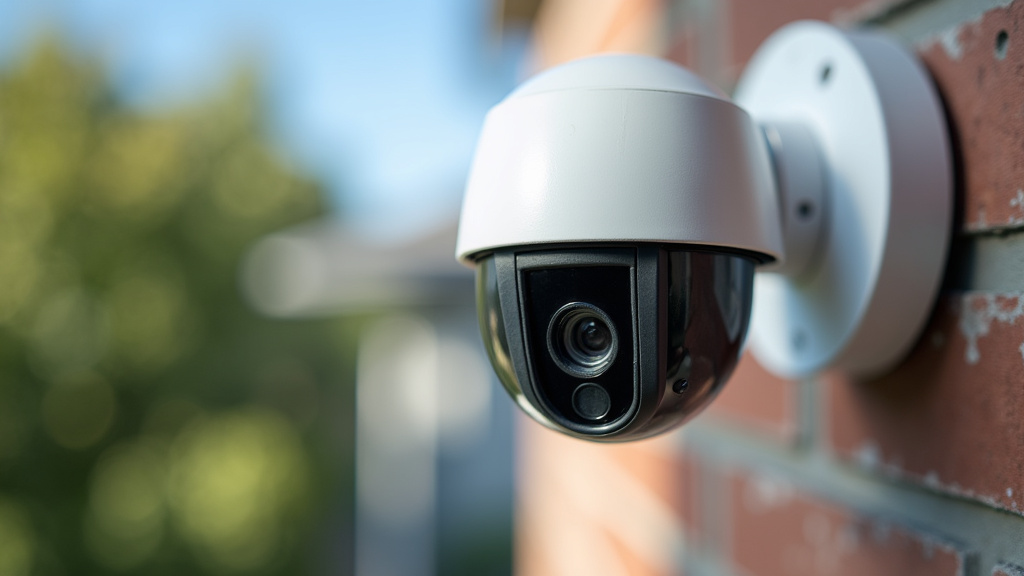
A fake security camera, also called a decoy or dummy camera, is a static prop made of plastic or metal. It mimics the appearance of a real surveillance camera but contains no electronics, wiring, or recording components. Its sole purpose is to be seen.
You might notice features like a blinking red light or a phony lens to make it look convincing. The goal is to create a psychological effect, not to capture footage. Think of it as a “No Trespassing” sign in the form of a camera.
How a Decoy Camera Creates Deterrence
The effectiveness of a decoy relies entirely on deterrence through visual suggestion. When a potential intruder spots what looks like a camera, they must make a quick calculation. The risk of being identified and caught often outweighs the potential reward.
Many studies in environmental criminology point to visibility as a key factor in crime prevention. The mere perception of being watched can influence behavior. A realistic-looking camera contributes to that perception of surveillance (Journal of Quantitative Criminology).
The Psychology Behind the Blinking Light
That little flashing red LED is not random. It’s designed to signal that the device is “active.” It mimics the power indicator found on many real cameras. This detail can make a dummy unit appear more legitimate and increase its deterrent effect.
Decoy vs. Real Cameras: What You Need to Know
Understanding the difference between a decoy and a functional camera is critical. One provides a visual deterrent; the other provides evidence. They serve different layers of a security strategy.
| Feature | Decoy (Fake) Camera | Real Security Camera |
|---|---|---|
| Primary Function | Visual Deterrence | Recording & Evidence |
| Requires Power | No (battery for light only) | Yes |
| Records Footage | No | Yes |
| Needs Wiring/Internet | No | Yes (usually) |
| Cost | Low ($15 – $50) | Moderate to High ($50 – $500+) |
| Provides Evidence After an Incident | No | Yes |
You should never rely on a decoy as your only security measure. It is a supplement, not a solution. If a crime occurs, a fake camera will not help identify suspects or provide proof for insurance.
Best Places to Position a Dummy Camera
Placement is everything for a decoy. You want it to be visible but also positioned where a real camera would logically be. This makes the illusion more believable.
Start by surveying your property. Ask yourself: where are the most vulnerable entry points? Where would a camera have the best view of a driveway or walkway?
Common High-Visibility Locations
- Front Door Porch: Directly overlooking the main entrance.
- Back Door or Sliding Glass Door: Often a less-visible entry point.
- Garage: Especially if it contains tools or provides access to the house.
- Driveway: To monitor vehicle access.
- Side Gates: Common pathways to the backyard.
Mount the camera at a height of about 8-10 feet. This is high enough to be out of easy reach but low enough to appear to capture a clear face. Aim it toward the area you want to “protect.”
Advantages of Using a Fake Surveillance Camera
There are practical reasons why homeowners and small business owners choose decoy cameras. They offer certain benefits that fit specific budgets and needs.
You get a visible security presence without the technical setup. There are no wires to run, no subscription fees to pay, and no footage to manage. It’s a straightforward, “set it and forget it” option.
Cost-Effectiveness for Broad Coverage
One real camera might cost $200. With that same budget, you could place five or six realistic decoys around your property. This creates a widespread perception of security. For a small retail shop, this can be an attractive first step.
Simplicity and No Maintenance
A dummy camera requires virtually no upkeep. You may need to change a battery for the blinking light once a year. You don’t have to worry about cloud storage, memory cards, or adjusting angles in an app.
Critical Limitations You Must Consider
It’s crucial to be honest about what a decoy cannot do. Setting realistic expectations will help you decide if it’s right for you. Over-reliance can create a false sense of security.
A determined criminal might spot a fake. Signs like a brand logo in a weird spot, overly cheap plastic, or a completely static lens can give it away. If they test it and realize it’s fake, it could have the opposite effect.
No Record of Criminal Activity
This is the biggest drawback. If a package is stolen or a break-in occurs, the decoy camera provides nothing—no images, no video, no timestamps. You will have no digital evidence to show police or your insurance company.
When to Use a Decoy Camera Alongside Real Security
The smartest approach often combines layers of security. Many security experts suggest using decoys to complement, not replace, real devices. This is where a decoy shines.
Place real, functional cameras at your most critical points, like the front door and main entryways. Then, use decoys to cover secondary areas or to increase the overall visible security footprint.
The “Belt and Suspenders” Strategy
Think of it like locking your car door. It won’t stop a professional car thief with tools, but it prevents casual opportunism. A real camera is your solid lock, and the decoy is that extra visual reminder that discourages someone from even trying the handle.
Installation Tips for Maximum Realism
To get the most from your dummy camera, you need to install it thoughtfully. Small details make a big difference in how believable it looks.
First, invest in a model that looks like a common, brand-name camera. Avoid the cheapest, most generic designs. If it looks like a toy, it will be treated like one.
Final Checklist for Your Dummy Camera Setup
- Choose a realistic model: Avoid toy-like designs.
- Mount at proper height: 8-10 feet off the ground.
- Aim at key areas: Point toward doors, driveways, or windows.
- Include a warning sign: “This Area Under Surveillance” adds credibility.
- Pair with other measures: Use with motion lights, real cameras, or an alarm.
- Be consistent: If you have one, consider a second for symmetry.
Remember, the goal is to create a believable illusion of comprehensive monitoring. A well-placed decoy, especially with a sign, can be a useful part of a broader security mindset.
Conclusion
A decoy security camera is a simple, budget-friendly tool to create a visual deterrent. It makes your property look monitored, which can discourage opportunistic criminals. Remember, it cannot record incidents or provide evidence, so it should never be your only security measure. For the best protection, use a realistic decoy alongside real cameras, motion lights, or an alarm system. Your next step is to walk around your property today. Identify the most vulnerable spots, like a back door or driveway. Then, consider placing a visible decoy camera there to strengthen your security appearance.
Frequently Asked Questions
Will a determined intruder know a decoy camera is fake?
It is possible. A very observant person might notice details like a brand logo in an odd spot or overly cheap plastic. However, many opportunistic criminals will avoid a property that appears to be under surveillance, even if it’s a fake. The goal is to deter casual threats, not professional thieves.
Can I use a decoy camera inside my home or business?
Yes, you can place one indoors. People often use them in retail stores or office areas to create a sense of monitored space. Just like outside, position it where a real camera would logically be placed, such as overlooking a cash register or inventory area.
Do decoy cameras ever need new batteries?
Most models with a blinking red light use small batteries. These can last for several months to a year. You will need to change them occasionally to keep the light blinking, which helps maintain the realistic appearance.
Is it legal to install a fake security camera on my property?
In most places, yes, it is legal to install a decoy camera on your own private property. However, you should never point it toward a neighbor’s private space, as that could create privacy concerns. Always check local rules if you are unsure.
How many decoy cameras do I need for good coverage?
There is no single number. The goal is to cover your most vulnerable entry points. Focus on the front door, back door, garage, and side gates. Two to four well-placed decoys can be more effective than one hidden in a corner.