What Is a Hidden Security Camera, and Why It Matters?
A hidden security camera is a video recording device that is discreetly placed so it cannot be easily seen or noticed. It is designed to capture activity in a home, office, or other space without being detected by the people it records. Its purpose is often to provide peace of mind through unobtrusive monitoring.
We found that many people use these cameras for a variety of important reasons. They can help monitor caregivers, deter theft, or watch over property while you are away. The key benefit is gathering information without changing the environment or alerting others to the surveillance.
- A hidden security camera is a surveillance device meant to blend into its surroundings.
- It is commonly used for home security, business monitoring, and keeping an eye on your property.
- Always check local laws before using one, as rules about recording vary by location.
- Look for features like good night vision, motion detection, and reliable recording storage.
- The main goal is discreet observation, not spying on private moments or breaking laws.
Now, let’s walk through exactly how these cameras work and what to consider when choosing one for your needs.
Understanding Hidden Security Cameras and Their Uses
A hidden security camera is simply a surveillance device designed to go unnoticed. Its job is to record video of an area without drawing attention to itself. Think of it as a silent observer. These cameras help you keep an eye on things when you can’t be there in person.
People choose hidden cameras for many practical reasons. The main goal is **unobtrusive monitoring**. You want to see what’s really happening, without changing the environment. A visible camera might stop some behavior, but a hidden one can show you the truth.
Common Reasons People Use Them
The most frequent use we found is for **home security**. You might place one to watch over a nanny or caregiver when you’re at work. It can provide peace of mind about your children or elderly parents. Another common reason is **theft deterrence**. A hidden camera in a store or office can help catch dishonest activity.
Property monitoring is a big one, too. Are you going on vacation? A camera hidden in your living room can show you if everything is okay. Some use them to monitor **remote property**, like a cabin or rental home. The uses are diverse, but the purpose is always about gathering clear information.
Popular Types and Where They Hide
Manufacturers get creative with forms. You’ll find hidden cameras built into everyday objects. Common types include:
- clocks that look and work normally
- smoke detectors that are fully functional
- power adapters and chargers that plug into the wall
- picture frames that hang on a shelf
- pens or screwdrivers for a temporary setup
The best place for a camera depends on what you want to see. Place it where it has a **clear view of the target area**. Make sure it blends with the background. A camera in a plant should be hidden among leaves. One on a bookshelf should look like part of the decor.
Key Features to Look For in a Covert Camera
When shopping, focus on features that make the camera useful and reliable. Don’t just buy the cheapest option. Consider what you need the camera to actually do. A few key specs will make a big difference in performance.
Video Quality and Night Vision
You need to see what’s happening, day or night. **Resolution** is the measure of video sharpness. We found that 1080p (Full HD) is a good standard for clear images. It lets you make out faces and details. Below that, footage can be blurry and useless.
Night vision is essential if the area gets dark. Most hidden cameras use infrared (IR) LEDs for this. The camera sees in the dark, but the IR light is invisible to the human eye. Look for cameras with a good **IR range**, like 20-30 feet, for reliable nighttime recording.
Recording, Storage, and Power
How does the camera save video? This is critical. There are two main methods: local storage and cloud storage. Local storage uses a **microSD card** inside the camera. Cloud storage sends video to an online server. Many experts suggest using both if possible.
Power is another big consideration. Some cameras plug into a wall outlet. Others run on batteries. **Battery-powered** cameras are more flexible for placement. But you have to remember to recharge them. Plug-in models offer continuous power but limit where you can put them.
Local vs. Cloud Storage: A Quick Comparison
| Feature | Local Storage (SD Card) | Cloud Storage |
|---|---|---|
| Access | Physical access to camera or card | From anywhere via app |
| Cost | One-time card purchase | Often a monthly fee |
| Security | Data is on-site | Data is off-site (safer if camera is stolen) |
| Capacity | Limited by card size | Often unlimited |
Smart Features and Motion Detection
Modern hidden cameras have smart capabilities. **Motion detection** is a huge one. The camera only records or sends an alert when it senses movement. This saves storage space and makes reviewing footage much easier. You don’t have to watch hours of empty room video.
Some cameras can send **push notifications** to your phone. You’ll get an instant alert if motion is detected. This turns your camera from a passive recorder into an active monitoring tool. It’s like having a security guard who’s always awake.
Important Legal and Ethical Considerations
This is the part you must not skip. Using a hidden camera has serious legal implications. Rules change dramatically from state to state, and even city to city. Ignorance of the law is not a defense.
Where You Can and Cannot Record
The core rule in many places is about **reasonable expectation of privacy**. You generally cannot record in areas where people expect total privacy. This includes bathrooms, changing rooms, and bedrooms in someone else’s home. Recording there is almost always illegal.
In public spaces, you often can record what you can see. But audio recording is trickier. Many states are “two-party consent” states. This means **everyone being recorded must consent** to the audio. This is a common legal hurdle. We found that researching your specific local laws is the most important step you can take.
Ethical Use Is Non-Negotiable
Even if something is legal, ask if it’s ethical. A hidden camera in your own home to monitor a paid caregiver is generally considered ethical. Secretly recording a romantic partner in your shared home is not. The intent matters.
Consider the impact on trust. A hidden camera should be a tool for safety, not a substitute for open communication. Used irresponsibly, it can destroy relationships. Always aim for **transparency when possible** and use the camera for its intended protective purpose.
Your Hidden Camera Buying Checklist
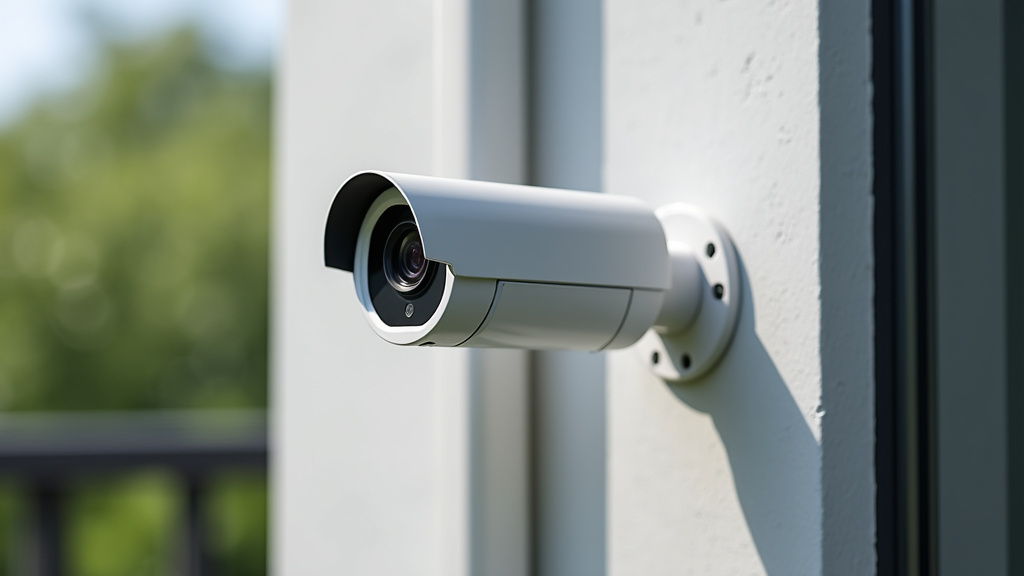
Ready to look for the right device? Use this simple checklist to guide your decision. It covers the essentials we’ve discussed.
- Define Your Purpose: What exactly do you need to monitor? A hallway or a home office?
- Check the Laws First: Research local and state regulations on recording before you buy anything.
- Prioritize Video Quality: Look for at least 1080p resolution and reliable night vision.
- Consider Power and Storage: Decide between battery/plug-in and SD card/cloud options based on your needs.
- Look for Smart Alerts: Motion detection and phone notifications make the camera far more useful.
- Read Real Reviews: See what other everyday shoppers say about reliability and ease of use.
By following these steps, you can make an informed choice. A hidden security camera, used responsibly, can be a valuable tool. It helps you protect what matters and gain peace of mind.
Conclusion
A hidden security camera provides discreet monitoring to protect your home and property. It helps you gather information without being detected, focusing on peace of mind. We found that choosing the right device means prioritizing clear video, reliable storage, and smart alerts. You must also respect legal boundaries and ethical use. This balance turns a simple tool into a responsible solution for your security needs.
Your next step is to use the buying checklist. Research local laws on recording and audio consent. Then, select a camera that matches your specific purpose and location.
Frequently Asked Questions
What is a hidden security camera best used for?
It is best for unobtrusive monitoring where a visible camera might change behavior. Common uses include watching over caregivers, deterring theft, or checking on a vacant property. We found its value lies in providing clear information without detection.
Are there hidden cameras that work without Wi-Fi?
Yes, many hidden cameras record locally to a microSD card without needing an internet connection. This can be simpler and avoid monthly fees. Research shows these models are reliable for basic recording but lack remote access and notifications.
How can I tell if a room has a hidden camera?
You can look for small lenses or use a flashlight to scan for reflections. Some people use RF detectors to find wireless signals. We found that physical inspection and checking for unusual objects, like power adapters with odd lenses, are effective first steps.
Do I need to tell people they are being recorded?
In many private settings like your home, you may not need to, but laws vary. It is often unethical and sometimes illegal to record in areas with an expectation of privacy. Research and found that transparency helps maintain trust and avoids legal issues.
What is the typical lifespan of a hidden camera?
Lifespan depends on build quality, usage, and battery health. Battery-powered models may last a few years with regular use, while plug-in cameras can run for many years. We found that keeping firmware updated and protecting it from weather extends its useful life.